
Professional Standards
Discover the internationally recognized professional standards aimed at ensuring ethical practices, safety, and excellence in yoga education.
Teacher & School Accreditation
Discover the criteria for yoga instructors, studios, schools, and wellness professionals aiming for global recognition.
Global Recognition & Trust
Explore how the standards set by the World Yoga Alliance enhance credibility, foster transparency, and promote professional recognition on a global scale.
Table of Contents: WYA Standards | Introduction | Standards for Teachers | Standards for Schools | About Training Hours | Code of Ethics
| Accreditation Standards | About Student Protection | Continuing Education | Benefits | Certification and Credential | FAQ
World Yoga Alliance Standards
World Yoga Alliance Standards are designed to support safe, ethical, professional, and high-quality yoga education worldwide. These standards help yoga teachers, schools, wellness professionals, and training providers maintain educational integrity, consistency, and international recognition.
At World Yoga Alliance, our mission is to create a trusted global framework that supports authentic yoga education while respecting diverse teaching traditions, styles, and cultures.
World Yoga Alliance Standards are developed to encourage professionalism, student safety, responsible teaching practices, and lifelong learning across the international yoga community.
Introduction to WYA Standards
Why International Yoga Standards Are Important
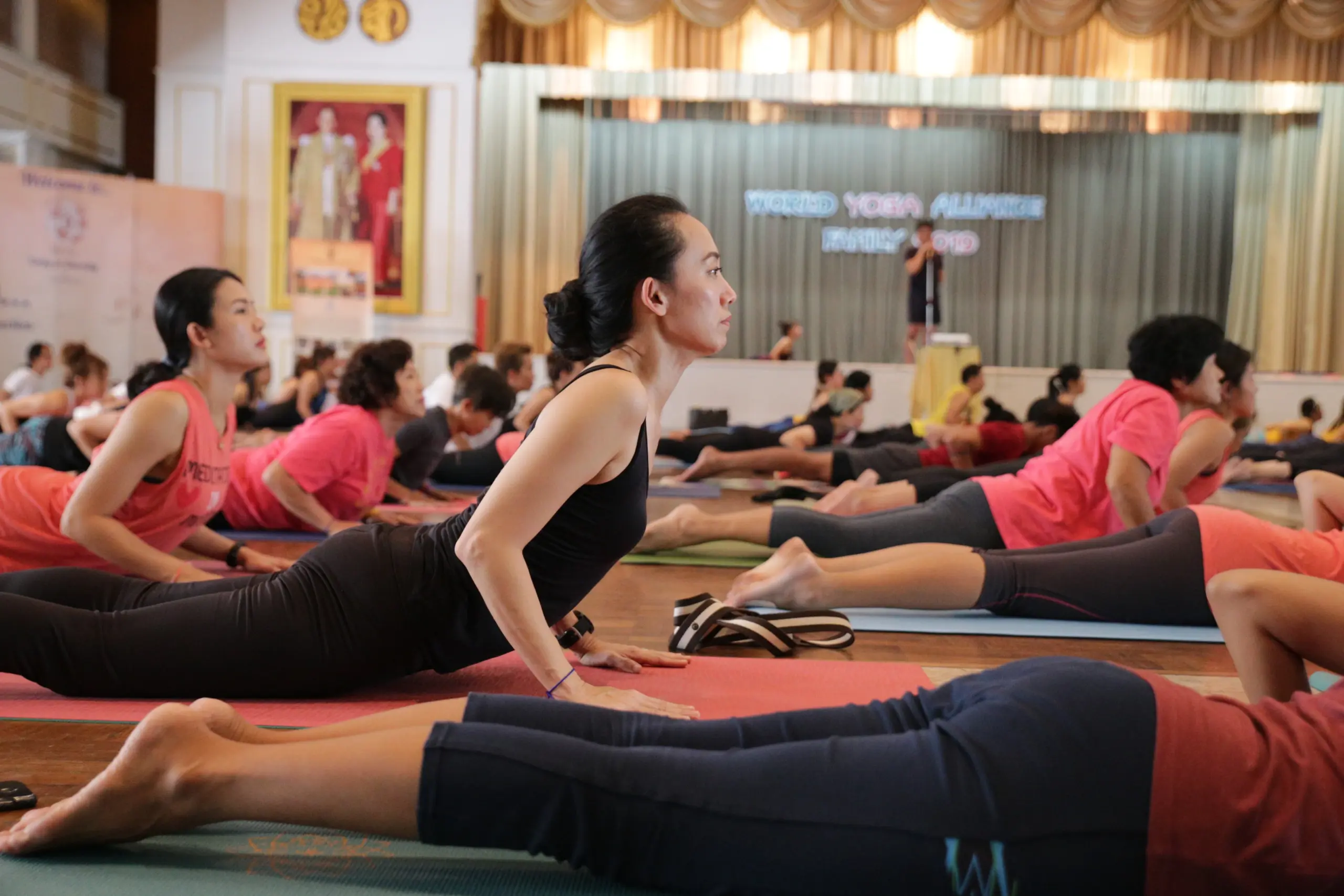
As yoga continues to grow in popularity around the world, maintaining high standards in education and ethical teaching practices is crucial. These professional benchmarks enable students to find trustworthy instructors and reputable institutions, while also helping educators deliver safe and effective training.
Our Mission for Quality Yoga Education
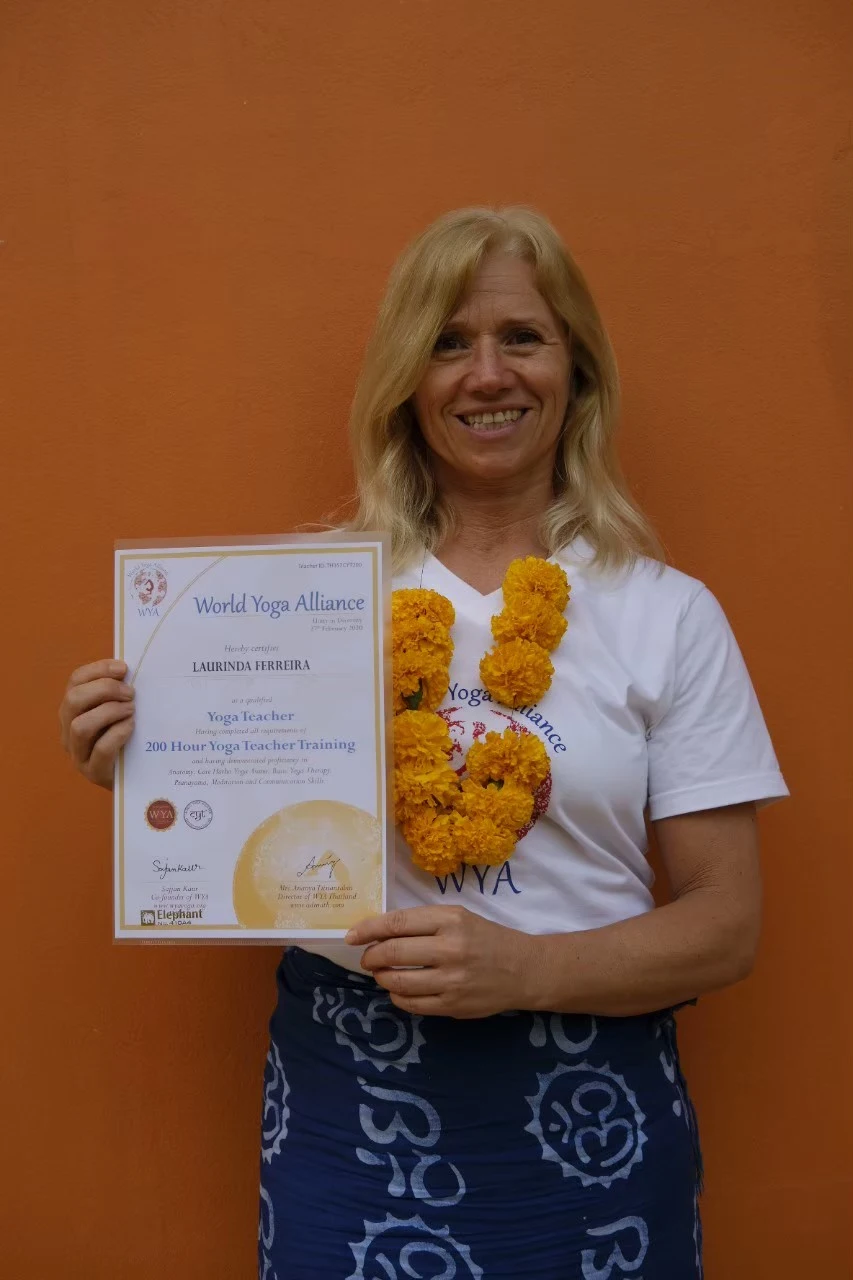
The World Yoga Alliance is committed to cultivating a worldwide yoga community grounded in authenticity, education, professionalism, and compassion. We advocate for high standards that prioritize responsible teaching, well-structured training programs, and continuous professional development for every yoga practitioner.
Building Trust Through Professional Standards
Professional standards build trust among students, educators, studios, and schools. By following established educational guidelines, yoga professionals demonstrate their commitment to delivering high-quality instruction and responsible teaching practices. We are dedicated to supporting your development within the WYA Community.
Standards for Yoga Teachers
Minimum Training Requirements
Yoga teachers registered under World Yoga Alliance Standards are encouraged to complete structured yoga education programs that include practical training, teaching methodology, anatomy awareness, ethics, and professional development.
Training programs may range from introductory short courses to advanced professional certifications.
Ethical Teaching Responsibilities
Yoga teachers are expected to maintain honesty, professionalism, respect, and integrity in all interactions with students and the public. Teachers should create supportive learning environments that encourage inclusivity, mindfulness, and responsible teaching practices.

Professional Conduct and Integrity
Professional yoga teachers should represent their qualifications honestly and avoid misleading claims regarding certifications, experience, or professional results. WYA encourages transparency, ethical communication, and responsible conduct within the global yoga community.
Student Safety and Wellbeing Criteria
Student safety is one of the core foundations of professional yoga teaching and educational responsibility. Teachers should encourage mindful practice, provide appropriate guidance, and support safe alignment and modifications when necessary.
Continuing Education Expectations
Yoga is a lifelong learning journey that supports continuous personal and professional development for educators. World Yoga Alliance encourages yoga professionals to expand their knowledge through workshops, advanced studies, specialized training, and ongoing education.
Standards for Yoga Schools
Curriculum and Training Structure
Certified yoga schools should provide organized and structured educational programs that support clear learning outcomes and professional development.
Training programs should include both theoretical and practical learning experiences.

Qualified Teaching Faculty
Yoga schools are encouraged to work with qualified and experienced instructors who can responsibly guide students through their educational journey.
Student Support and Evaluation
Schools should maintain fair learning environments, provide educational support, and offer appropriate assessment methods to evaluate student progress.
About Certification and Documentation
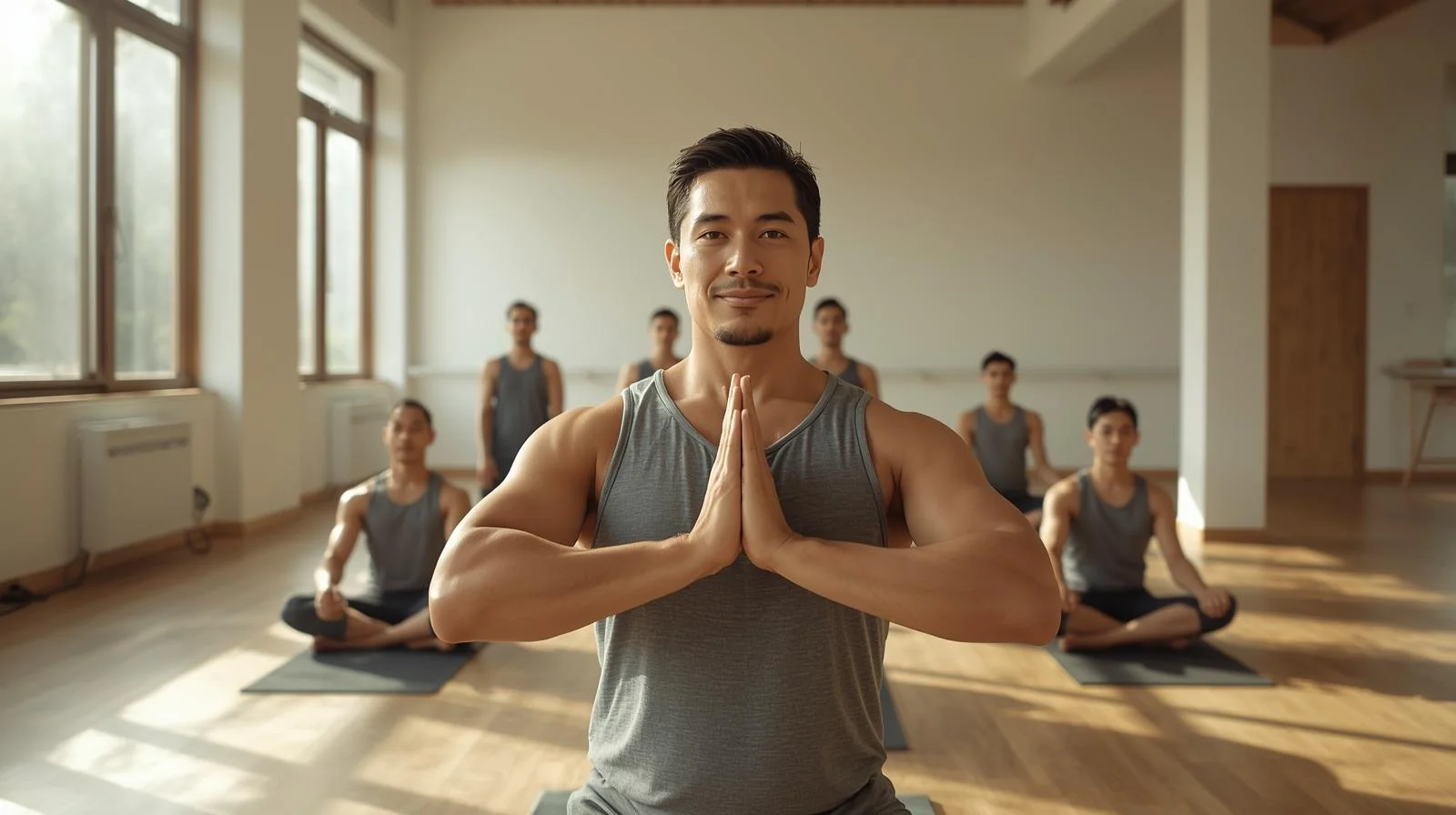
All institutions should maintain student records in the WYA Account provide students with official documentation upon successfully completing their programs.
Maintaining Educational Quality
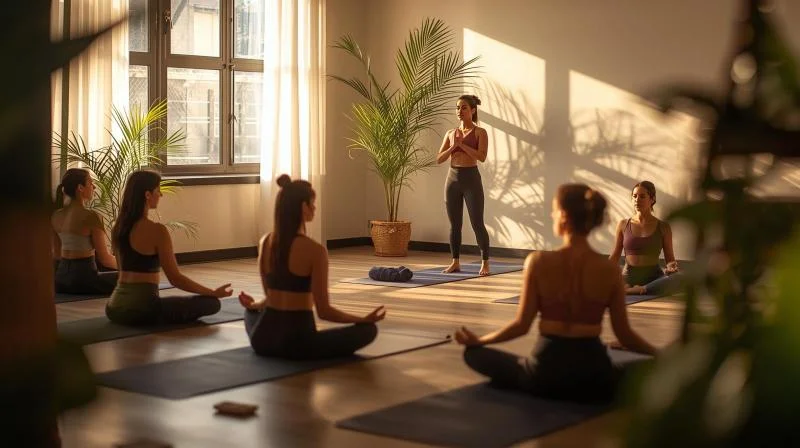
WYA encourages schools to regularly review and improve their training systems, student experience, educational materials, and teaching quality.
Yoga Training Hour Standards
16 Hours to 50 Hours Programs
Short yoga courses may focus on introductory learning, workshops, specialty topics, continuing education, or foundational wellness practices.
100 Hours Yoga Training Standards
Criteria of 100 Hours
100-hour training programs are often designed to provide foundational yoga education and practical teaching preparation.
200 Hours Yoga Teacher Training Standards
Criteria of 200 Hours
200-hour yoga teacher training programs are considered one of the most recognized foundational professional yoga certifications worldwide.
300 Hours Advanced Yoga Training Standards
Criteria of 300 Hours
300-hour advanced programs help teachers deepen their knowledge, refine teaching skills, and explore specialized areas of yoga education.
500 Hours Professional Yoga Education Standards
Criteria of 500 Hours
500-hour programs combine foundational and advanced studies to support comprehensive professional yoga education.
Specialized and Continuing Education Programs
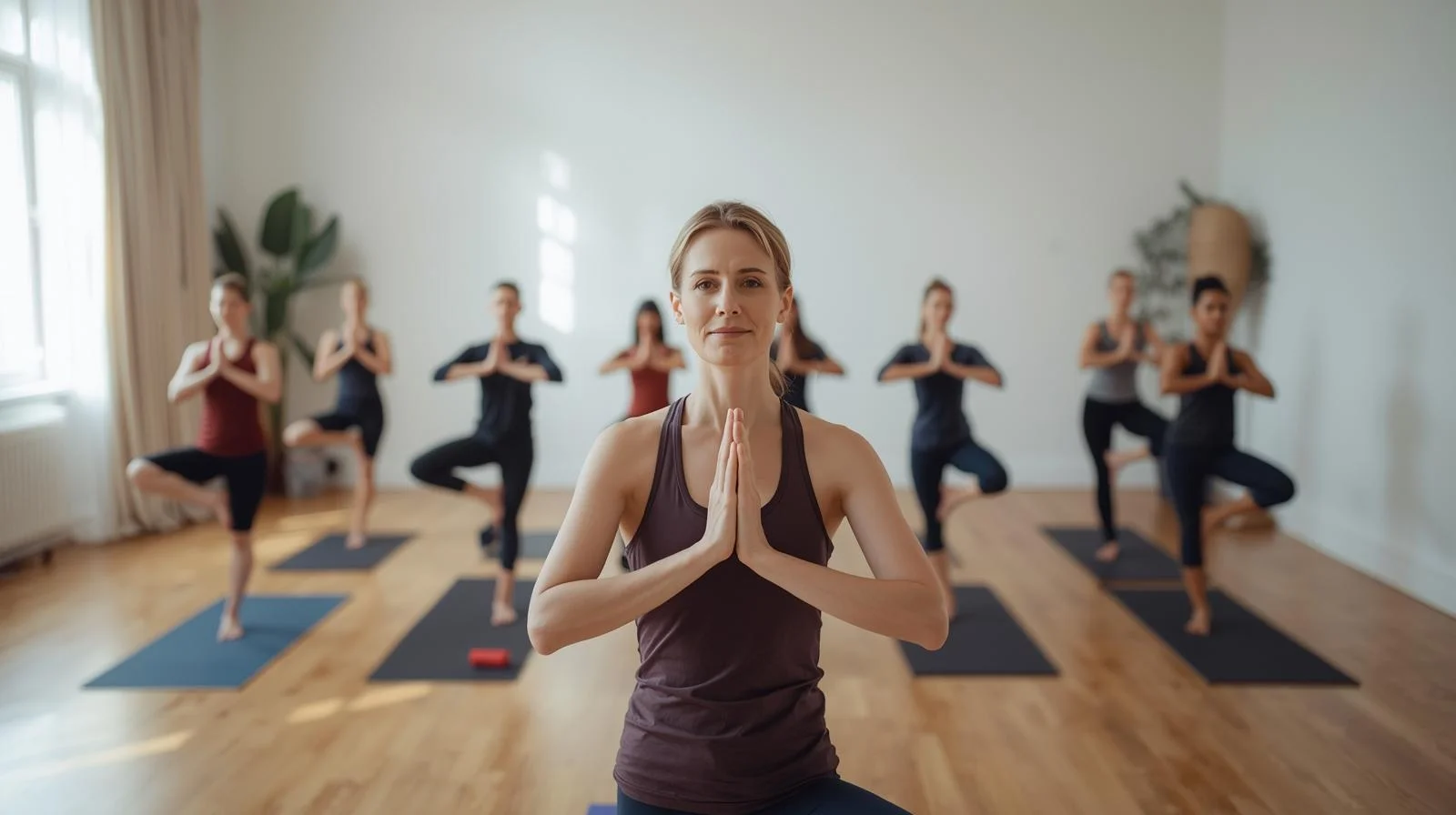
Specialized programs may include meditation, pranayama, Ayurveda, wellness coaching, sound healing, therapy-based approaches, mindfulness, or advanced yoga studies.
Code of Ethics and Professional Conduct
International Accreditation Standards
Global Recognition Principles
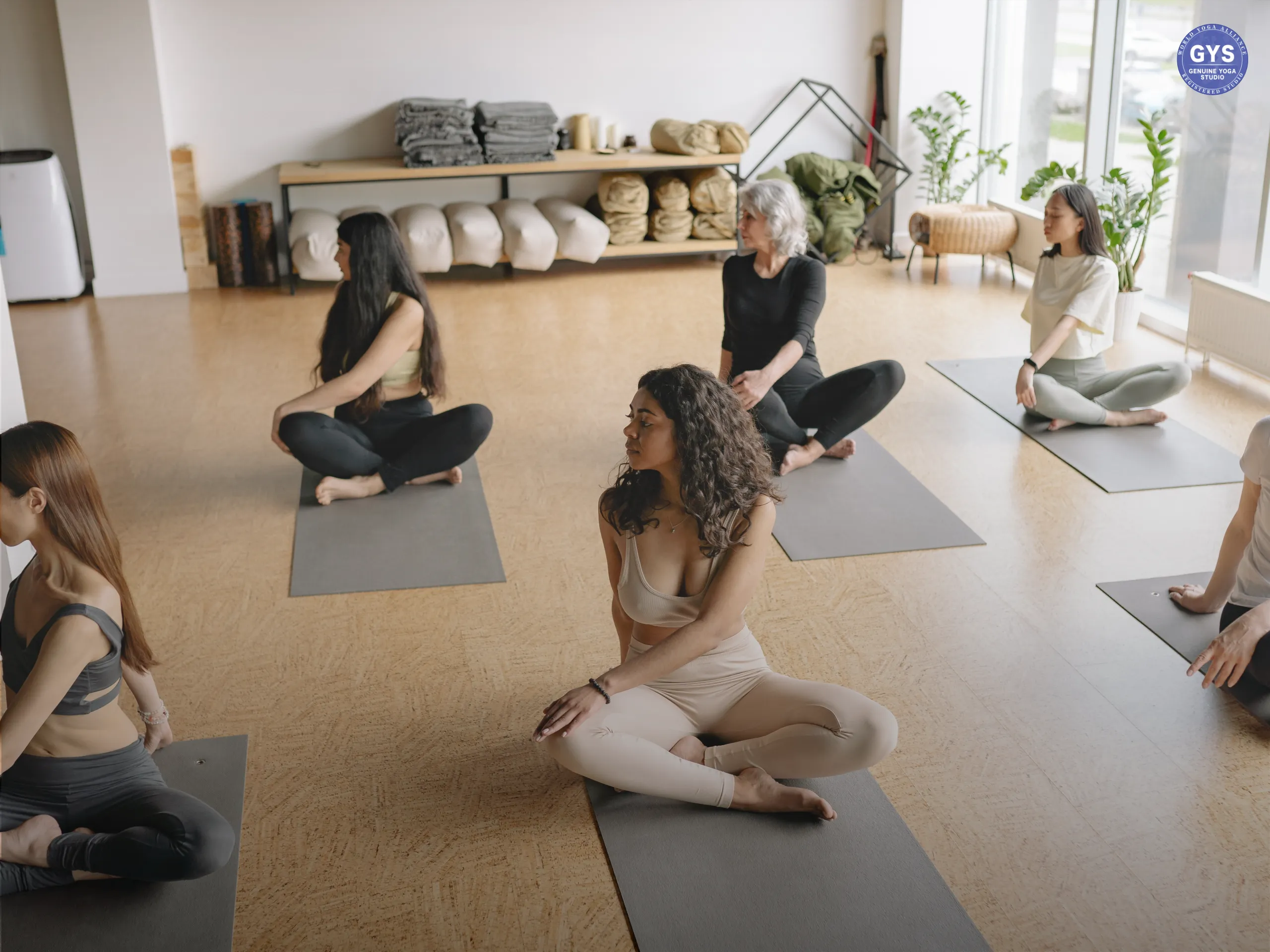
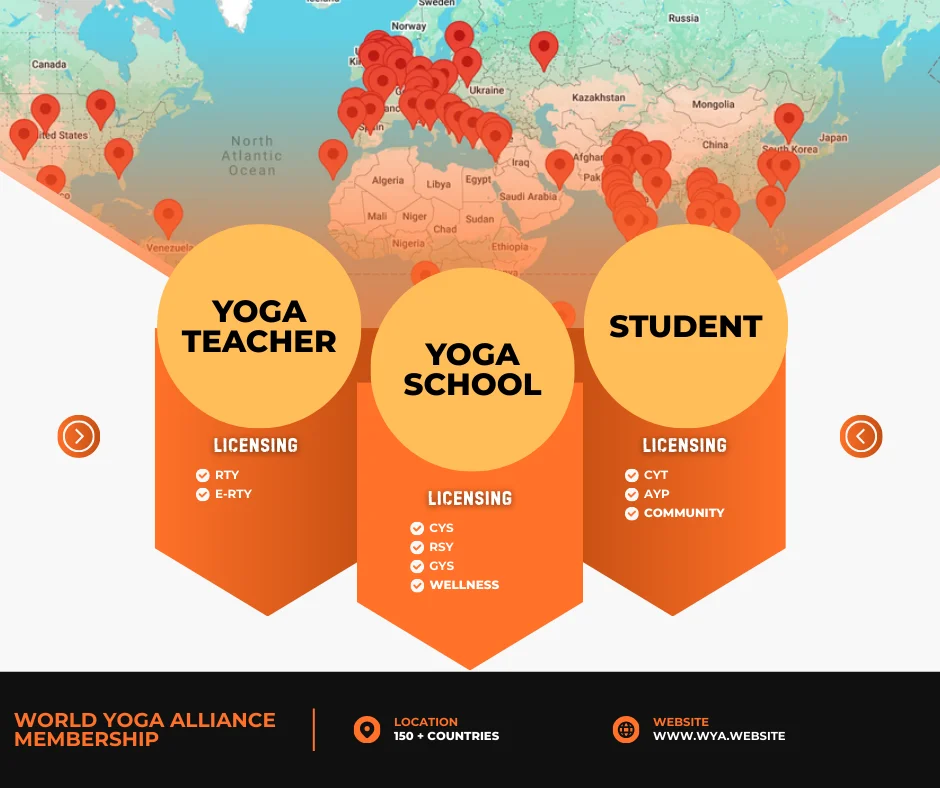
The World Yoga Alliance fosters global educational recognition by upholding professional standards that are applicable across various countries and educational systems.
While respecting cultural diversity and yoga traditions, World Yoga Alliance encourages consistency in professional education quality and ethical practices worldwide.
Both online and in-person yoga education programs may qualify under WYA standards when they maintain educational quality, professional instruction, and proper student support.
World Yoga Alliance reviews applications, educational structures, and supporting documentation to help maintain professional quality standards within the global community.
Student Protection and Safety Standards
Safe Learning Environment
Yoga schools and teachers should provide positive, supportive, and safe learning spaces for all students.
Injury Prevention Awareness
Teachers are encouraged to educate students about mindful movement, safe practice methods, and body awareness.
Responsible Teaching Methods
Responsible instruction includes offering modifications, respecting physical limitations, and avoiding unsafe teaching practices.
Accessibility and Student Inclusion
Professional yoga education should encourage accessibility and equal learning opportunities whenever possible.

Continuing Education and Professional Development
Importance of Lifelong Learning
Yoga education evolves continuously. Ongoing learning helps professionals improve their knowledge, confidence, and teaching quality.

Advanced Training Opportunities
Advanced certifications and specialized programs help teachers develop expertise in specific areas of yoga and wellness education with World Yoga Alliance.
Workshops and Specialized Programs
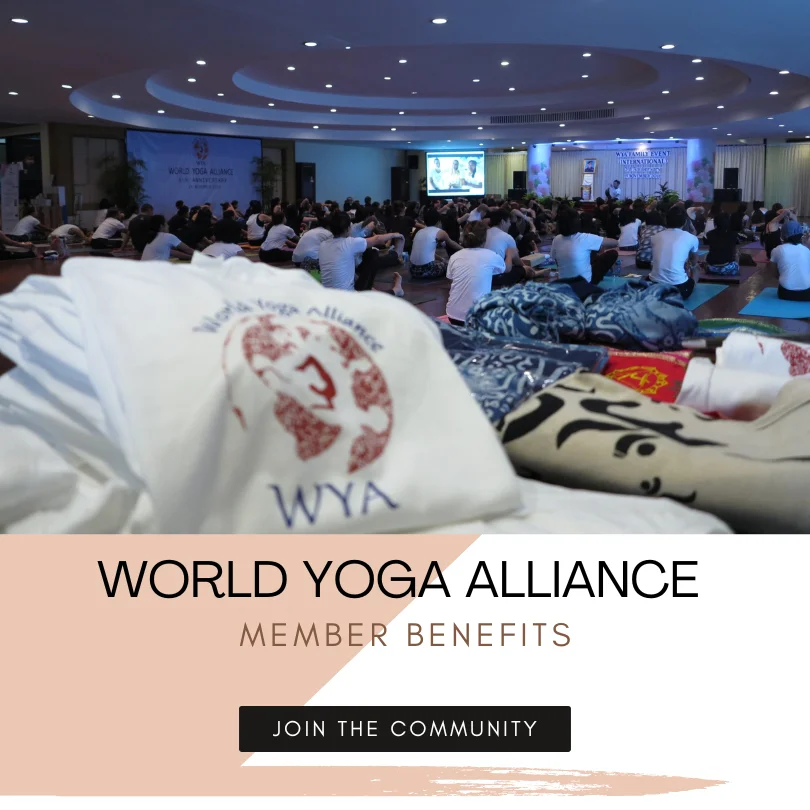
Continuing education may include workshops, retreats, seminars, online courses, and advanced training modules.
Staying Updated with Yoga Education
Professional educators should remain open to educational development, safety awareness, and evolving teaching methodologies.
Benefits of Following World Yoga Alliance Standards
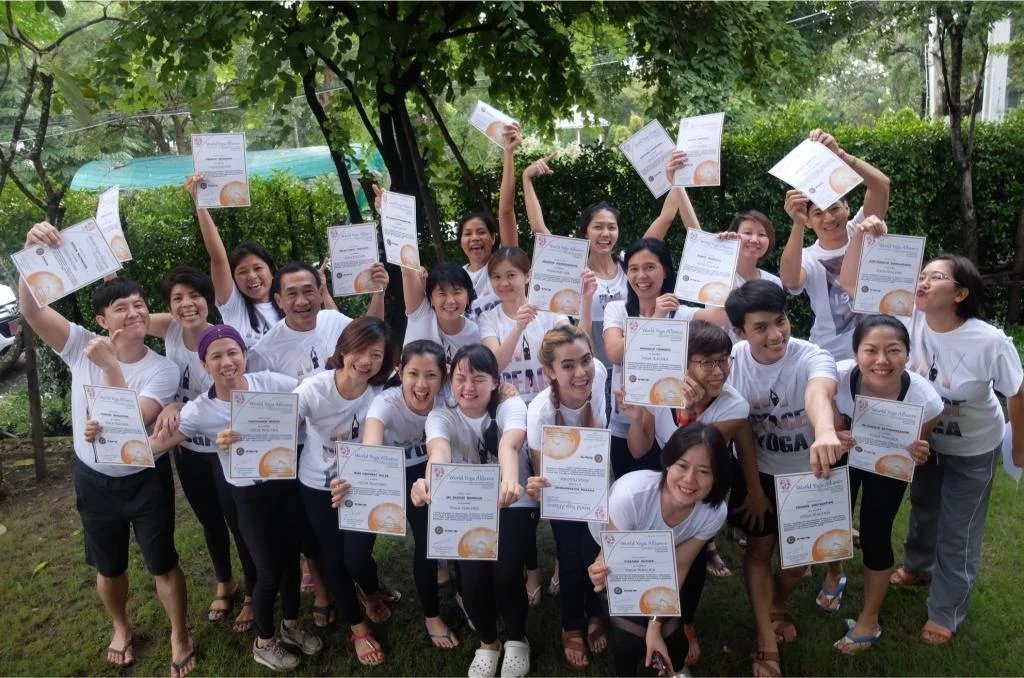
Increased Student Trust

Improved Educational Quality
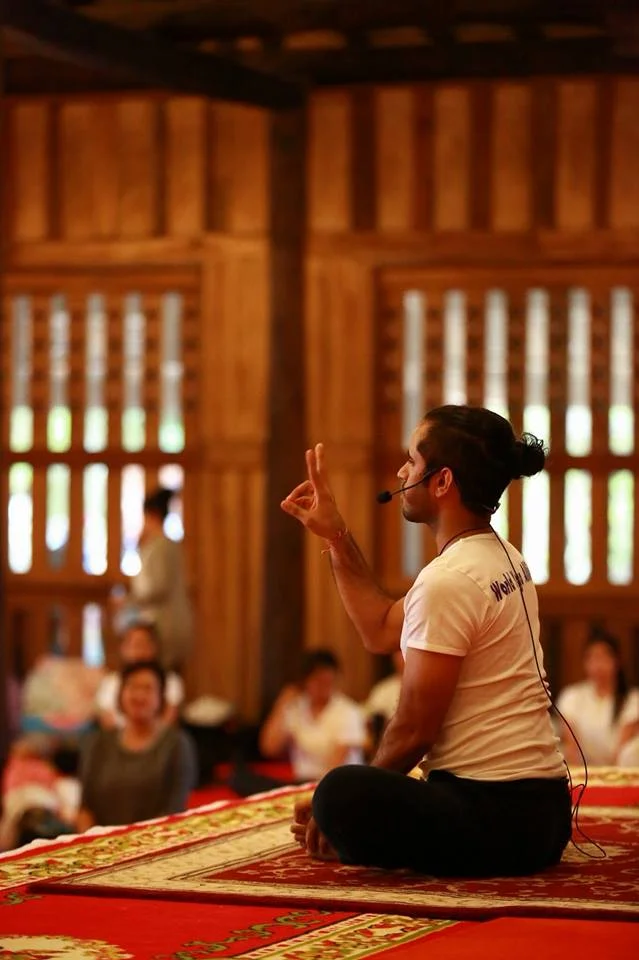
Professional Growth Opportunities
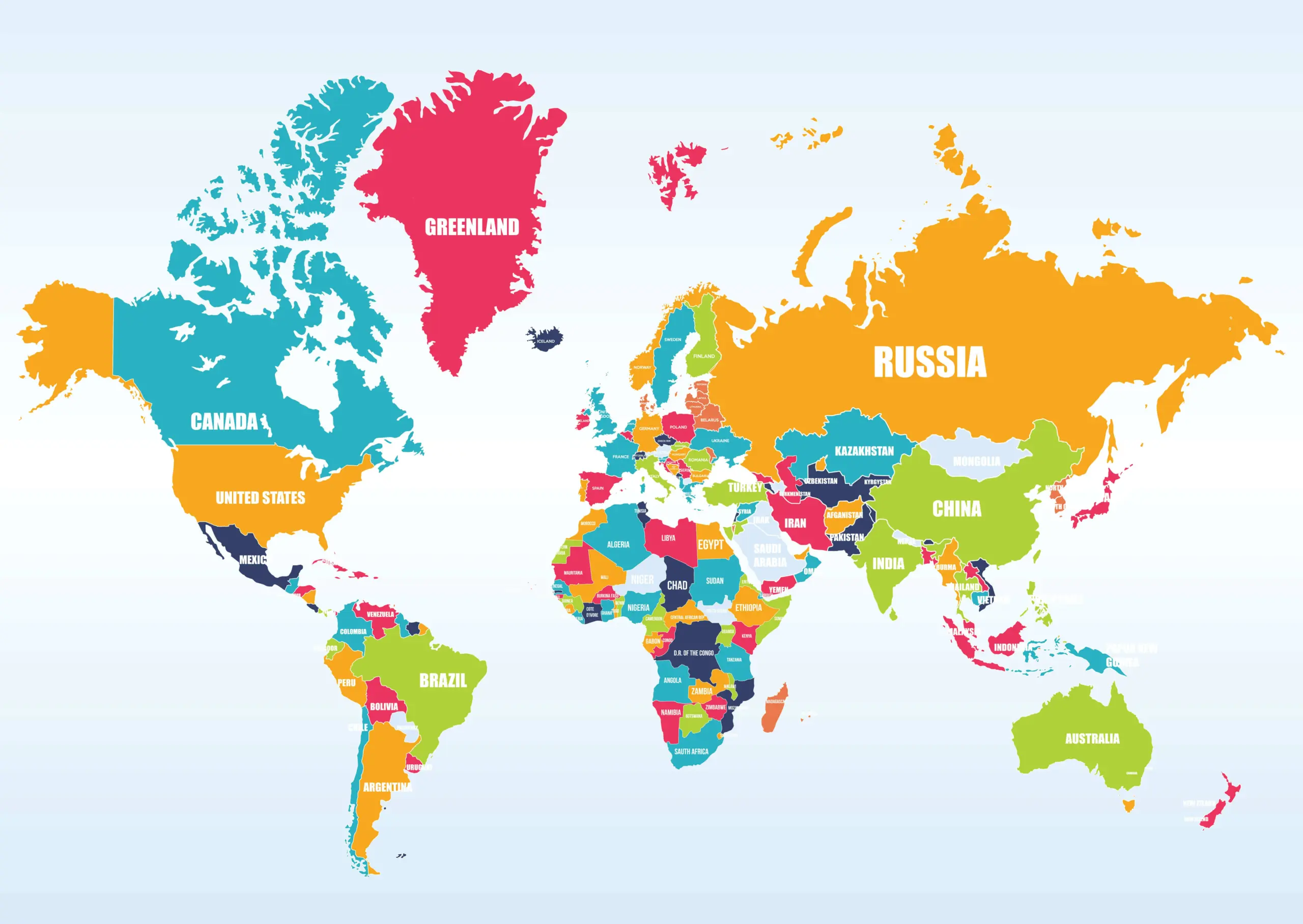
Worldwide Community and Support
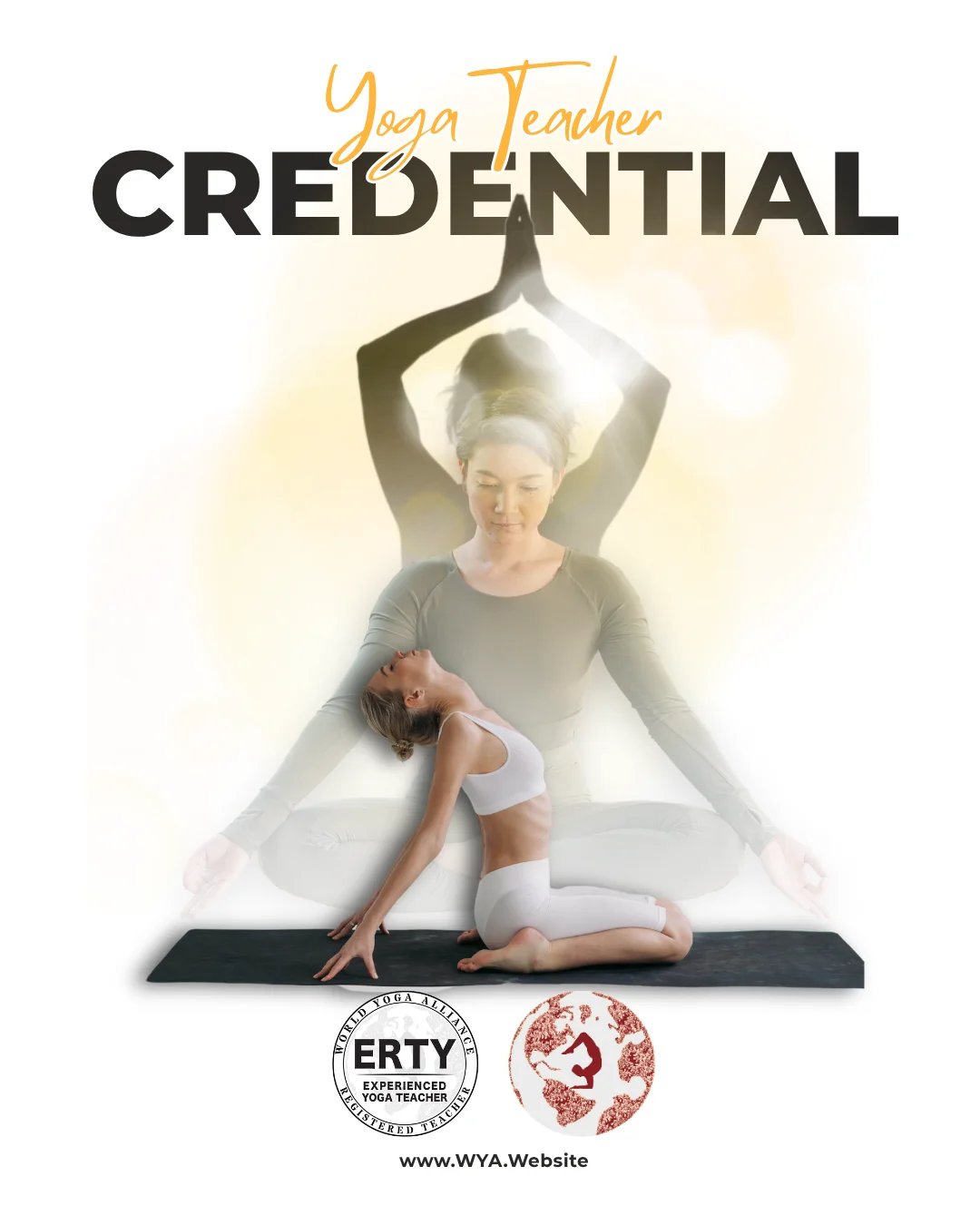
Certification and Credential Standards
Frequently Asked Questions
About WYA Standards
Start Your Professional Journey with WYA
Whether you are a yoga teacher, school owner, wellness educator, or training provider, World Yoga Alliance provides a professional platform to support your global recognition and educational growth.
_