
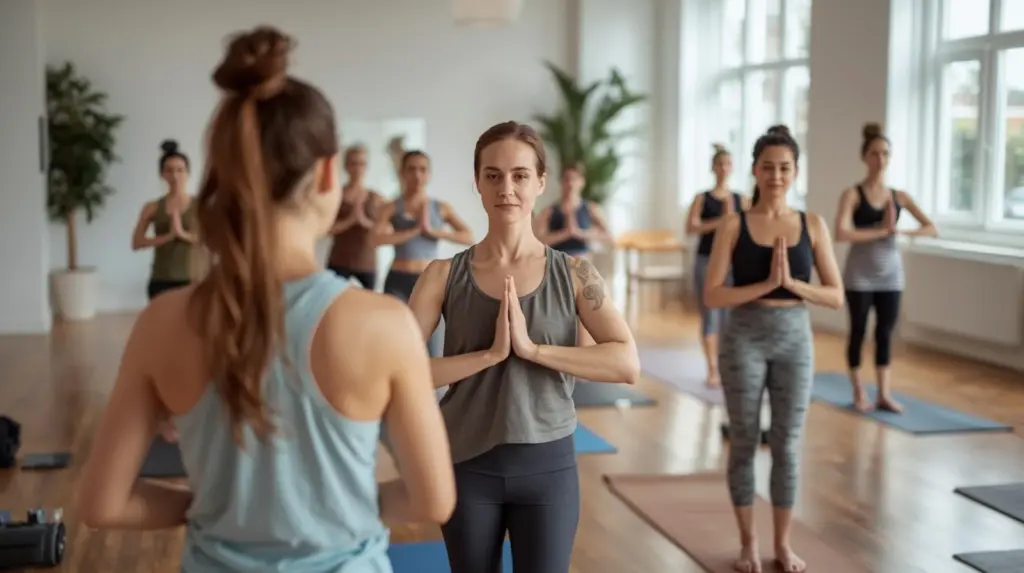
Global Yoga Education Standards
World Yoga Alliance Community StandardsGlobal yoga education standards recognized in 150+ countries. World Yoga Alliance supports ethical, structured, and globally accepted yoga education.
Global Yoga Education Standards by World Yoga Alliance
Global Yoga Education Standards represent World Yoga Alliance’s commitment to excellence, integrity, and consistency in yoga and wellness education worldwide. These globally recognized standards are designed to support ethical, professional, and high-quality learning environments for yoga schools and teachers.
The Global Yoga Education Standards cover a wide range of educational pathways, from a minimum of 16 hours of foundational training to advanced 1,000-hour professional programs. This inclusive framework ensures that educators at every stage of their teaching journey can align with internationally accepted benchmarks.
Developed to preserve authenticity, promote student safety, and maintain instructional quality, the Global Yoga Education Standards apply across diverse disciplines. From traditional yoga and Ayurveda to modern wellness practices, these standards provide a trusted structure for sustainable and responsible yoga education.
Course Criteria: 18-Hrs | 50-Hrs | 100-Hrs | 200-Hrs | 250-Hrs | 300-Hrs | 400-Hrs | 500-Hrs | 600-Hrs | 1000-Hrs
Hours Breakdown & Course Level
Ensuring Excellence in Yoga and Wellness Education
World Yoga Alliance (WYA) is recognized globally for upholding high-quality professional education standards in yoga and wellness. We maintain strict criteria to ensure that every teacher, school, and training program meets international standards of safety, accessibility, and excellence.
To support our Registered Yoga School (RYS) and Certified Yoga School (CYS), we provide a structured framework for course training hours and levels. Schools can design their own syllabus within these guidelines, and certified schools may also use WYA’s comprehensive training manuals.
Minimum & Maximum Training Hours:
18 Hrs | 50 hrs | 100 hrs | 200 hrs | 250 hrs | 300 hrs | 400 hrs | 500 hrs | 600 hrs | 1000 hrs
This range ensures flexibility while maintaining consistent quality, allowing schools to offer programs from short workshops to comprehensive teacher training courses.
—
WYA Standards for 16-Hour Level Courses
Duration: The total training duration is approximately 2–3 days of regular classes. However, it may vary depending on the school’s schedule or course structure. Please check with your school for exact details.
- Yoga Practical Techniques (Total 11 hours with 9 contact hours) This training covers techniques for both physical and mental development.
| Topics | Total Hours |
| Practical Techniques | 2 Hrs |
| Teaching Methodology | 5 Hrs |
| Additional techniques | 2 Hrs |
- Theory (Total: 5 hours, including 4 contact hours)
| Topics | Total Hours |
| Theory | 2 Hrs |
| Anatomy and Physiology | 2 Hrs |
- Homework (total 3 non-contact hours)
Homework includes a personal practice of yoga theoretical knowledge and practical techniques, journaling, and specific essay assignments including communication skills.
If you have any questions about the training standards, please feel free to contact us.
WYA Standards for 50-Hour Level Courses
Duration: The total training duration is approximately 5–6 days of regular classes. However, it may vary depending on the school’s schedule or course structure. Please check with your school for exact details.
- Yoga Practical Techniques (Total 25 hours with 21 contact hours) This training covers techniques for both physical and mental development.
| Topics | Total Hours |
| Practical Techniques | 13 Hrs |
| Teaching Methodology | 8 Hrs |
- Theory (Total: 25 hours, including 20 contact hours)
| Topics | Total Hours |
| Theory | 13 Hrs |
| Anatomy and Physiology | 8 Hrs |
- Homework (total 9 non-contact hours)
Homework includes a personal practice of yoga theoretical knowledge and practical techniques, journaling, and specific essay assignments including communication skills.
If you have any questions about the training standards, please feel free to contact us.
WYA Standards for 100-Hour Level Courses
Duration: The total training duration is approximately 10–11 days of regular classes. However, it may vary depending on the school’s schedule or course structure. Please check with your school for exact details.
- Yoga Practical Techniques (total 58 hours with 46 contact hours) This training covers techniques for both physical and mental development.
| Topics | Total Hours |
| Practical Techniques | 30 Hrs |
| Teaching Methodology | 10 Hrs |
| Teaching practice & Workshop | 6 Hrs |
- Theory (Total: 42 hours, including 34 contact hours)
| Topics | Total Hours |
| Other useful techniques | 14 Hrs |
| Theory | 12 Hrs |
| Anatomy and Physiology | 8 Hrs |
- Homework (total 20 non-contact hours)
Homework includes a personal practice of yoga theoretical knowledge and practical techniques, journaling, and specific essay assignments including communication skills.
If you have any questions about the training standards, please feel free to contact us.
WYA Standards for 200-Hour Level Courses
Duration: The total training duration is approximately 21–30 days of regular classes. However, it may vary depending on the school’s schedule or course structure. Please check with your school for exact details.
- Yoga Practical Techniques (total 119 hours with 94 contact hours) This training covers techniques for both physical and mental development.
| Topics | Total Hours |
| Practical Techniques | 60 Hrs |
| Teaching Methodology | 17 Hrs |
| Business Plan – Basic knowledge | 6 Hrs |
| Group Meeting / Teaching Practice | 6 Hrs |
| Teaching Practice & Workshops: Includes student teaching, observation, and assistance in yoga classes conducted by experienced instructors. Training hours may include a combination of supervised and independent practice. | 5 Hrs |
- Yoga Theory (Total: 81 hours, including 56 contact hours)
| Topics | Total Hours |
| Other useful techniques | 25 Hrs |
| Theory | 15 Hrs |
| Anatomy and Physiology | 16 Hrs |
- Homework (total 50 non-contact hours)
Homework includes a personal practice of yoga theoretical knowledge and practical techniques, journaling, and specific essay assignments including communication skills.
If you have any questions about the training standards, please feel free to contact us.
WYA Standards for 250-Hour Level Courses
Duration: The total training duration is approximately 26–35 days of regular classes. However, it may vary depending on the school’s schedule or course structure. Please check with your school for exact details.
- Yoga Practical Techniques (total 141 hours with 113 contact hours) This training covers techniques for both physical and mental development.
| Topics | Total Hours |
| Practical Techniques | 60 Hrs |
| Teaching Methodology | 17 Hrs |
| Business Plan – Basic knowledge | 10 Hrs |
| Group Meeting / Teaching Practice | 10 Hrs |
| Teaching Practice & Workshops: Includes student teaching, observation, and assistance in yoga classes conducted by experienced instructors. Training hours may include a combination of supervised and independent practice. | 16 Hrs |
- Yoga Theory (Total: 109 hours, including 87 contact hours)
| Topics | Total Hours |
| Other useful techniques | 33 Hrs |
| Theory | 28 Hrs |
| Anatomy and Physiology | 26 Hrs |
Homework (total 50 non-contact hours)
Homework includes a personal practice of yoga theoretical knowledge and practical techniques, journaling, and specific essay assignments including communication skills.
If you have any questions about the training standards, please feel free to contact us.
WYA Standards for 300-Hour Level Courses
Duration: The total training duration is approximately 30–45 days of regular classes. However, it may vary depending on the school’s schedule or course structure. Please check with your school for exact details.
- Yoga Practical Techniques (total 172 hours with 138 contact hours) This training covers techniques for both physical and mental development.
| Topics | Total Hours |
| Practical Techniques | 51 Hrs |
| Teaching Methodology | 47 Hrs |
| Business Plan – Basic knowledge | 13 Hrs |
| Group Teaching Practice & Public Speaking Training | 11 Hrs |
| Teaching Practice & Workshops: Includes student teaching, observation, and assistance in yoga classes conducted by experienced instructors. Training hours may include a combination of supervised and independent practice. | 16 Hrs |
Yoga Theory (Total: 128 hours, including 87 contact hours)
| Topics | Total Hours |
| Other useful techniques | 33 Hrs |
| Theory | 28 Hrs |
| Anatomy and Physiology | 26 Hrs |
- Homework (total 75 non-contact hours)
Homework includes a personal practice of yoga theoretical knowledge and practical techniques, journaling, and specific essay assignments including communication skills.
If you have any questions about the training standards, please feel free to contact us.
WYA Standards for 400-Hour Level Courses
Duration: The total training duration is approximately 38–50 days of regular classes. However, it may vary depending on the school’s schedule or course structure. Please check with your school for exact details.
- Yoga Practical Techniques (total 222 hours with 172 contact hours) This training covers techniques for both physical and mental development.
| Topics | Total Hours |
| Practical Techniques | 65 Hrs |
| Teaching Methodology | 52 Hrs |
| Business Plan – Basic knowledge | 18 Hrs |
| Group Teaching Practice & Public Speaking Training | 16 Hrs |
| Teaching Practice & Workshops: Includes student teaching, observation, and assistance in yoga classes conducted by experienced instructors. Training hours may include a combination of supervised and independent practice. | 21 Hrs |
- Yoga Theory (Total: 178 hours, including 128 contact hours)
| Topics | Total Hours |
| Other useful techniques | 48 Hrs |
| Theory | 45 Hrs |
| Anatomy and Physiology | 35 Hrs |
- Homework (total 100 non-contact hours)
Homework includes a personal practice of yoga theoretical knowledge and practical techniques, journaling, and specific essay assignments including communication skills.
If you have any questions about the training standards, please feel free to contact us.
WYA Standards for 500-Hour Level Courses
Duration: The total training duration is approximately 60–80 days of regular classes. However, it may vary depending on the school’s schedule or course structure. Please check with your school for exact details.
- Yoga Practical Techniques (total 283 hours with 217 contact hours) This training covers techniques for both physical and mental development.
| Topics | Total Hours |
| Practical Techniques | 108 Hrs |
| Teaching Methodology | 52 Hrs |
| Business Plan – Basic knowledge | 30 Hrs |
| Group Teaching Practice & Public Speaking Training | 14 Hrs |
| Teaching Practice & Workshops: Includes student teaching, observation, and assistance in yoga classes conducted by experienced instructors. Training hours may include a combination of supervised and independent practice. | 13 Hrs |
- Yoga Theory (Total: 217 hours, including 151 contact hours)
| Topics | Total Hours |
| Other useful techniques | 73 Hrs |
| Theory | 40 Hrs |
| Anatomy and Physiology | 38 Hrs |
- Homework (total 132 non-contact hours)
Homework includes a personal practice of yoga theoretical knowledge and practical techniques, journaling, and specific essay assignments including communication skills.
If you have any questions about the training standards, please feel free to contact us.
WYA Standards for 600-Hour Level Courses
Duration: The total training duration is approximately 90–180 days of regular classes. However, it may vary depending on the school’s schedule or course structure. Please check with your school for exact details.
- Yoga Practical Techniques (total 333 hours with 258 contact hours) This training covers techniques for both physical and mental development.
| Topics | Total Hours |
| Practical Techniques | 118 Hrs |
| Teaching Methodology | 62 Hrs |
| Business Plan – Basic knowledge | 40 Hrs |
| Group Teaching Practice & Public Speaking Training | 24 Hrs |
| Teaching Practice & Workshops: Includes student teaching, observation, and assistance in yoga classes conducted by experienced instructors. Training hours may include a combination of supervised and independent practice. | 14 Hrs |
- Yoga Theory (Total: 267 hours, including 192 contact hours)
| Topics | Total Hours |
| Other useful techniques | 88 Hrs |
| Theory | 53 Hrs |
| Anatomy and Physiology | 51 Hrs |
- Homework (total 150 non-contact hours)
Homework includes a personal practice of yoga theoretical knowledge and practical techniques, journaling, and specific essay assignments including communication skills.
If you have any questions about the training standards, please feel free to contact us.
WYA Standards for 1000-Hour Level Courses
Duration: The total training duration is approximately 140–365 days of regular classes. However, it may vary depending on the school’s schedule or course structure. Please check with your school for exact details.
- Yoga Practical Techniques (total 533 hours with 408 contact hours) This training covers techniques for both physical and mental development.
| Topics | Total Hours |
| Practical Techniques | 148 Hrs |
| Teaching Methodology | 92 Hrs |
| Business Plan – Basic knowledge | 70 Hrs |
| Group Teaching Practice & Public Speaking Training | 54 Hrs |
| Teaching Practice & Workshops: Includes student teaching, observation, and assistance in yoga classes conducted by experienced instructors. Training hours may include a combination of supervised and independent practice. | 44 Hrs |
- Yoga Theory (Total: 467 hours, including 342 contact hours)
| Topics | Total Hours |
| Other useful techniques | 103 Hrs |
| Theory | 138 Hrs |
| Anatomy and Physiology | 101 Hrs |
- Homework (total 250 non-contact hours)
Homework includes a personal practice of yoga theoretical knowledge and practical techniques, journaling, and specific essay assignments including communication skills.
If you have any questions about the training standards, please feel free to contact us.
How Global Yoga Education Standards Support Schools and Teachers
Global Yoga Education Standards provide a clear and reliable framework that helps yoga schools and teachers align their programs with internationally recognized educational benchmarks. By following these standards, institutions can structure their courses with confidence, ensuring consistency, transparency, and quality across all levels of yoga and wellness education.
For yoga schools, the Global Yoga Education Standards support curriculum development, teacher training frameworks, and ethical teaching practices. Schools benefit from improved credibility, smoother certification processes, and greater trust from students seeking professional and structured yoga education. These standards also help institutions maintain compliance while preserving the authenticity of traditional yoga teachings.
For yoga teachers, the Global Yoga Education Standards offer clear guidance for professional growth and lifelong learning. Teachers gain confidence in their qualifications, enhanced global recognition, and the ability to teach across diverse learning environments. By aligning with these standards, educators demonstrate their commitment to safety, quality instruction, and responsible teaching practices.
Sample Daily Schedule for Yoga Teacher Training Providers
Every WYA Certified or Registered Yoga School (CYS & RSY Member) is encouraged to design its own daily schedule according to its course structure, cultural environment, and teaching style — while preserving the essence of balance, discipline, and mindful living.
At WYA, we believe the daily schedule is more than a timetable — it is a sacred rhythm that turns learning into living, and students into inspired teachers.
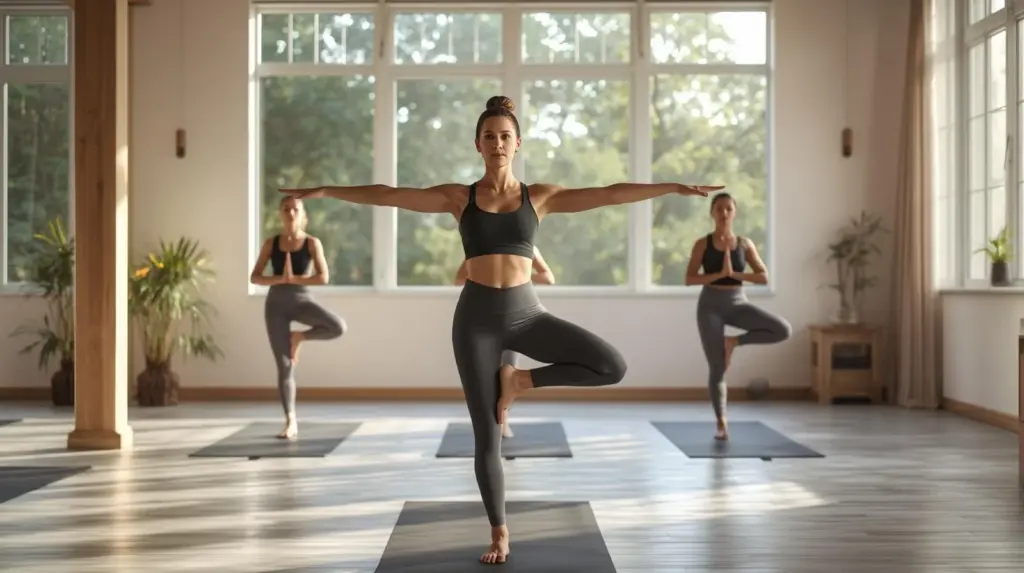
Frequently Asked Questions (FAQ)
Take the Next Step with World Yoga Alliance
Explore the WYA Licensing
Discover globally recognized licensing options for yoga and wellness education
Join WYA Certified Yoga Course
Access structured courses aligned with global yoga education standards
Give us Feedback
Contribute insights that support schools, teachers, and training providers